Karate
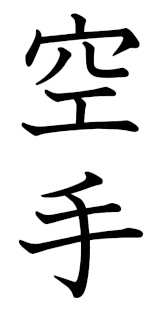
Karate is a traditional martial art that originated in the Ryukyu Kingdom, now known as Okinawa, Japan. Originally developed as a system of empty-hand self-defense, it combines indigenous fighting methods with influences from Chinese martial arts. Over time, karate evolved into a structured discipline focused not only on physical combat effectiveness, but also on mental and spiritual development.
At its core, karate training encompasses three primary components: kihon (basics), kata (forms), and kumite (sparring). Basics involve repetitive practice of fundamental blocks, strikes, punches, and kicks to build proper form and muscle memory. Kata are pre-arranged sequences of movements that simulate combat against multiple imaginary opponents, helping practitioners refine posture, balance, and rhythm. Kumite applies these techniques in controlled sparring sessions, teaching distance, timing, and strategy against a live partner.
Beyond physical techniques, karate places a profound emphasis on character building, discipline, and moral development. Traditional dojos operate under a strict code of etiquette and respect, encouraging practitioners to cultivate humility, patience, and self-control. The ultimate objective of karate is not aggression or victory over others, but the perfection of one’s own character and the cultivation of a peaceful, resilient mind.
Today, karate is practiced worldwide by millions of people of all ages for various reasons, including physical fitness, self-defense, sport competition, and personal growth. Various styles—such as Shotokan, Goju-Ryu, Wado-Ryu, and Shorinjiryu—have emerged globally, each emphasizing different aspects of power, speed, or flowing movement. Regardless of the specific style, karate remains a timeless pursuit of physical mastery and mental fortitude.