Shorinjiryu
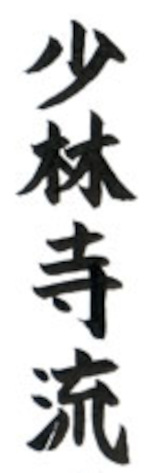
Shorinjiryu Karatedo is a comprehensive and traditional Japanese martial art style that bridges classical Okinawan fighting systems with deep roots in Chinese Shaolin temple traditions. The name itself translates to the “Small Forest Temple School”, reflecting its lineage and philosophical connection to ancient kung fu principles. Founded and structured to maximize physical efficiency and spiritual growth, the style incorporates a dynamic blend of striking, kicking, throwing, and joint-manipulation techniques.
The system was formally established and organized in the mid-20th century by Kaiso Masayoshi Kori Hisataka, a visionary martial artist who dedicated his life to synthesizing various disciplines, including Okinawan-te, Japanese judo, and Chinese kempo. Kaiso Hisataka sought to create a practical, scientific martial art that prioritized realistic application while maintaining deep respect for tradition. His innovations reshaped how practitioners generate power and approach self-defense, leaving a lasting legacy in the global martial arts community.
Technically, Shorinjiryu is distinct for several biomechanical features that set it apart from other major karate styles. Most notably, practitioners utilize a vertical fist (tate-ken) for standard punches to protect the wrists and align force efficiently, emphasize the heel in kicking maneuvers, and rely on an extended hip motion (koshi) to generate maximum explosive power. The footwork favors natural, mobile stances and circular or angular movements rather than rigid linear motions, allowing students to seamlessly evade attacks and redirect an opponent’s momentum.
Training within a Shorinjiryu dojo is multifaceted, built upon foundational pillars that include kihon (basics), kata (pre-arranged forms), yakusoku kumite (pre-arranged sparring), and buki-ho (traditional weaponry). Kata serve as the core repository of the style’s techniques, teaching balance, rhythm, and body mechanics. Additionally, many branches practice traditional Okinawan weapon arts (kobudo), training with tools such as the bo (staff), sai, and jo to expand defensive versatility.
Safety and realism are heavily balanced through the use of safe, structured sparring methodologies. Many Shorinjiryu schools incorporate protective body armor (anzen bogu) during free sparring (shiai), enabling practitioners to test their techniques with realistic speed and full power without compromising partner safety. This controlled yet rigorous testing environment ensures that theoretical techniques translate effectively into practical self-defense capabilities under pressure.
Beyond the physical curriculum, the overarching philosophy of Shorinjiryu places profound emphasis on character development and moral growth. The guiding principles, encapsulated in the dojo tenets and mottos like Doku Ji Gyo Sei Ki (spiritual development of individuality in mind and body), remind students that the ultimate aim of karate is self-perfection. Through perseverance, humility, and strict etiquette, practitioners strive to cultivate a peaceful, resilient mind and contribute positively to society.